Home turn-offs that house-hunters always notice
July 2026
2 minute read
When you sell your home, first impressions can make all the difference. While buyers often focus on location, layout and price, seemingly minor details can have a surprisingly big impact on their impressions of a property. Addressing these issues before listing can help create a more appealing experience and maximise interest from buyers.
From things as basic as dirty grout to overpowering odours and clutter, there are plenty of factors that can quietly kill a buyer’s enthusiasm on open day.
Here are eight of the most common turn-offs to address before your property hits the market:
- Bright colours and textures
One person’s dream renovation is another’s dealbreaker. Buyers just don’t want to pay a premium for a style they don’t love, and anything that feels like too much work to change can send them out the door. If you can invest in a coat of paint or new carpets, choose neutral colours and keep things simple. - A lack of space and storage
If a property hasn’t been styled well or simply feels too small, buyers may not consider placing an offer. Insufficient storage is equally off-putting, particularly for apartment hunters. - Bad smells
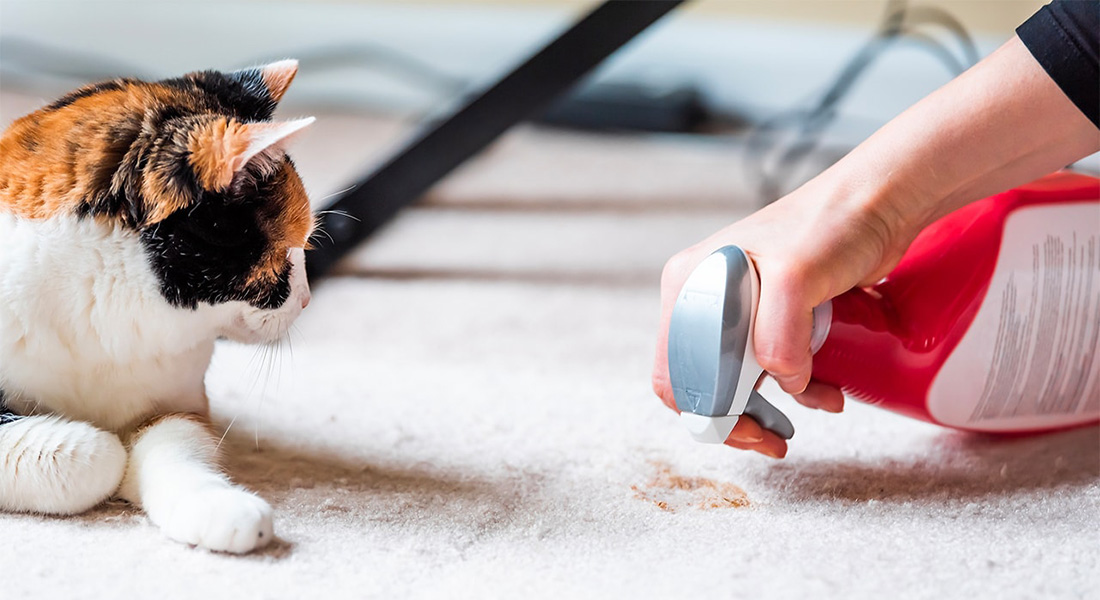
Pet odours, a damp odour or even too liberal a dose of canned air freshener can be off-putting for sensitive buyers. Before your open house, remove your pet’s accessories and open the windows to let some fresh air in. A subtle fragrance from a candle can be helpful. - Rooms without a purpose
Every room is a reflection of a property’s history and purpose. If a space feels undefined, buyers start questioning if the place is actually right for their needs. A simple styling tweak to stage a spare room as a home office or guest room can make all the difference. - Personal items
Busy family photo walls and deeply personal displays can make buyers feel like they’re intruding on someone else’s life. Removing these items during inspections protects your privacy and the buyer’s ability to picture themselves in the space. - Sports paraphernalia
It sounds minor, but strong team branding can cause buyers to mentally write off a property before they’ve even looked around. Keep things neutral! - Mould, moisture and grime
Grout issues, mould and neglected bathrooms are among the biggest turn-offs, particularly since the pandemic brought respiratory health into sharper focus. These are common considerations and low-cost fixes that make a significant difference. - Unfunctional kitchens
The saying goes that ‘kitchens and bathrooms sell homes’. If the kitchen has a bad layout or drawers that are a pain to open, the buyer may think again. The good news is it’s generally easy to apply a cosmetic upgrade without breaking the bank.
- A noisy neighbourhood and lack of street appeal
Busy roads and street noise are rarely a surprise, but they do affect perceived value. Pricing appropriately for location goes a long way, and making sure the home looks as inviting as possible from the front can change a buyer’s perspective as well.
A few simple improvements before listing could help attract more interest, generate stronger offers, and ultimately lead to a smoother sale. Your agent can help you identify and address these issues before they cost you at the negotiating table.
Discover More Articles

It’s a question every landlord should ask: what features will have prospective tenants lining-up to live in their investment property?
1 minute read

Rental yield – more precisely referred to as gross rental return – is one of the first figures investors look at when assessing a residential investment property.
2 minute read
Rental yield – more precisely referred to as gross rental return – is one of the first figures investors look at when assessing a residential investment property.
2 minute read