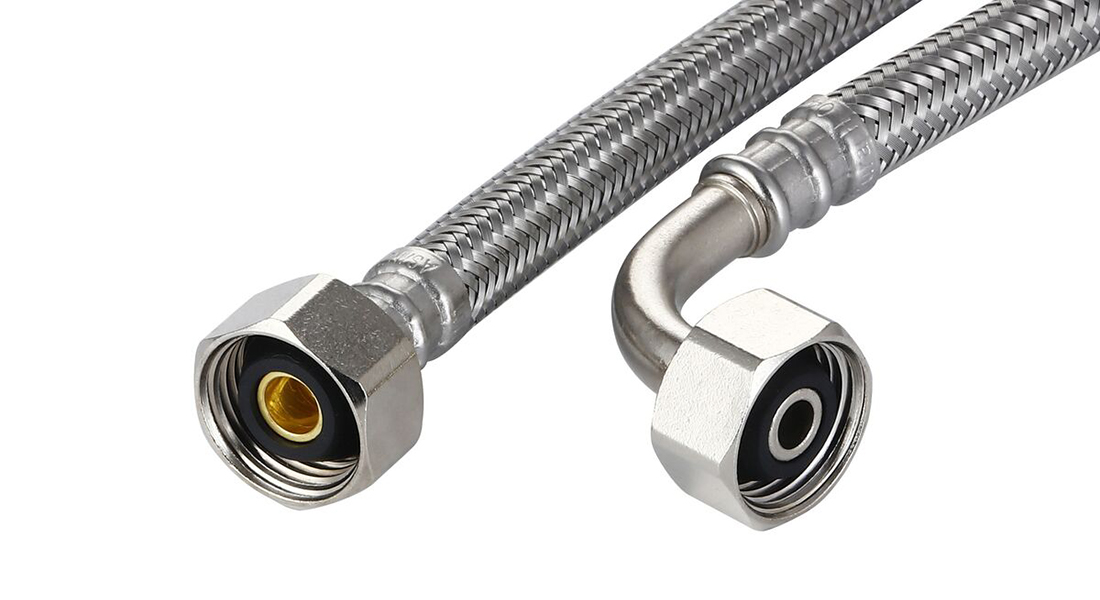
The small thing that can lead to a big problem
Flexi hoses are small, inexpensive and easy to overlook. But when they fail, the damage to a rental property can be significant.
What starts as a minor plumbing issue can quickly turn into water damage, upset renters, repairs, loss of rent and a stressful insurance claim.
So what exactly is a flexi hose? It’s the small, braided pipe that connects your water supply to taps, toilets, dishwashers and other fixtures. You’ll usually find them tucked under sinks, behind toilets and inside vanities, hidden away and rarely given a second thought. They do an important job, but they deteriorate over time due to age, wear, water pressure or poor installation, and when one bursts, it can release a large volume of water very quickly.
For a rental property, one failed hose can quickly become a major headache. Water spreads quickly through cabinets, flooring and walls, which can mean weeks of repairs, lost rent and plenty of back-and-forth with your renter. In more serious cases, families may be unable to move back in for months while the damage is repaired.
The good news is that this is a risk you can largely manage with a bit of routine attention:
- Check accessible hoses during inspections for warning signs like rust, corrosion, kinks, bulging, fraying or moisture
- Ask your plumber to inspect flexi hoses during routine maintenance visits, and keep an eye on their age
- Replace ageing hoses before they fail rather than after, and always use a licensed plumber to fit the new ones
You could also consider installing a pressure-limiting isolation valve. It automatically shuts off the water when it detects an unusually high flow, which is exactly what happens when a hose bursts. So a pressure-limiting isolation valve is a small upgrade that could prevent significant damage.
Of course, even with regular maintenance, accidents can still happen. It is wise to know that is where the right rental provider insurance can help. A specialist policy may cover water damage caused by burst pipes, overflowing basins and leaking roofs.
If you’re not sure when your property’s hoses (or other essential parts) were last checked, your property manager can build it into the next routine inspection and flag anything that needs replacing before it becomes a much bigger problem.
Discover More Articles