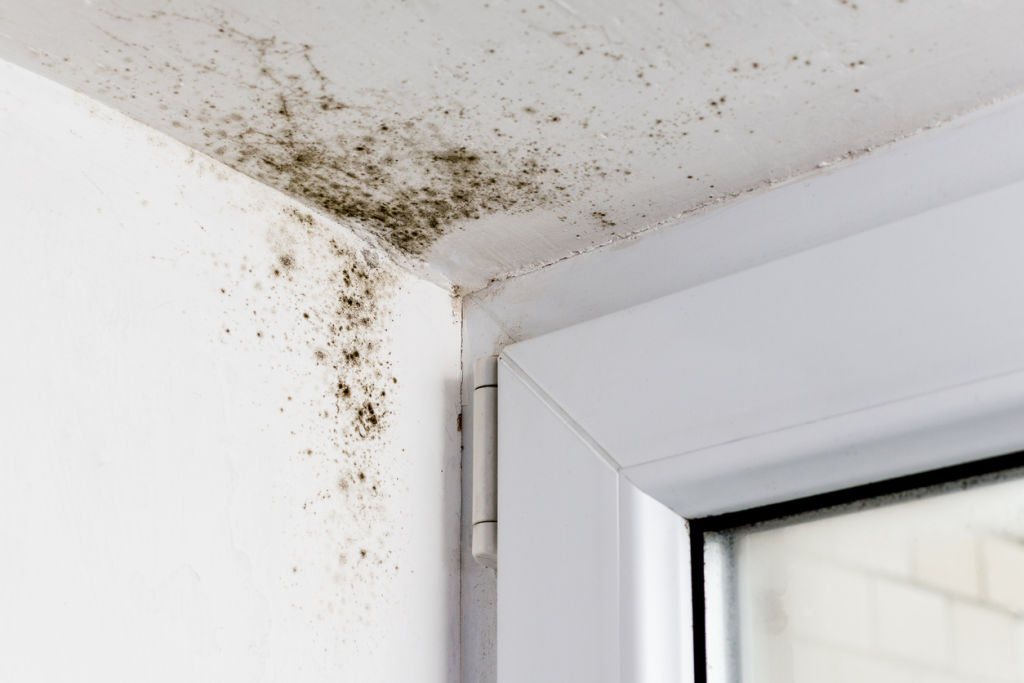
Mould issues and how to tackle this problem
Mould is a type of fungus that grows in damp and poorly ventilated areas. It can grow almost anywhere but is often found in areas like the bathroom and kitchen. Mould can damage a property, may cause health problems, and should be addressed as soon as practical to avoid further damage.
If there is mould in the property, the tenant/resident must tell the property manager/owner as soon possible. Property managers/owners may check for mould as part of a routine inspection.
The responsibility for cleaning mould, repairing and paying for any damage depends on the cause of the mould.
Certain areas in Queensland are more susceptible to mould than others due to the environment and time of year (e.g. in tropical areas). There is also an increased risk of mould after severe wet weather and natural disasters.
Mould and minimum housing standards
To comply with minimum housing standards, the property manager/owner must ensure the property is free from mould when the tenant/resident moves in and throughout the tenancy. This does not apply if the mould is caused by the tenant/resident.
If the tenant/resident finds mould in the property, they must tell the property manager/owner about the mould as soon as possible. The cleaning and repair process depends on the type of rental agreement in place:
- In general tenancies and moveable dwellings, addressing mould caused by problems with the property is considered an emergency repair.
- In rooming accommodation, addressing mould caused by problems with the room or property is considered a routine repair.
Cleaning mould in a rental property
The responsibility for cleaning mould, repairing and paying for any damage depends on the cause of the mould.
Mould caused by the tenant/resident
If mould is caused by actions of the tenant/resident (e.g. not using an extractor fan in a bathroom or not properly ventilating or cleaning the property or room), they are typically responsible for addressing the mould and paying for any repairs or damage.
Mould caused by problems with the property
If mould is caused by problems with the property (e.g. a leaking roof or leaking pipes), the property manager/owner is typically responsible for cleaning the mould and paying for any repairs.
Some buildings may be prone to mould due to the age of the building, structural issues or a lack of ventilation. In these cases, the property manager/owner is typically responsible for addressing mould and repairing any structural issues that caused it.
Where the tenant/resident and the property manager/owner cannot determine how the mould was caused, they can consider getting an external professional to inspect and identify the cause.
Property managers/owners and tenants/residents should discuss how the cleaning and any repairs will be organised, and who will pay for any repairs or damage. For example, parties may consider that the tenant/resident can clean the mould themselves, or that the tenant or the property manager/owner needs to engage professional cleaners and tradespeople.
If you are unable to agree, you can apply for free RTA dispute resolution to try and resolve the issue.
If mould is not cleaned in a reasonable time
There are options if the person responsible for addressing the mould does not do so in a reasonable time. These options depend on whether the mould is being addressed as an emergency or routine repair, and whether the mould is caused by a breach of the agreement. Leaving mould unattended can lead to further damage and costs to repair.
The mould is fixed as an emergency repair
If emergency repairs are required, tenants should follow the emergency repair process, which allows them to contact the nominated repairer listed in their tenancy agreement. If the tenant is unable to contact the nominated repairer or repairs are not made in a reasonable time, they can make an urgent application to the Queensland Civil and Administrative Tribunal (QCAT) for a repair order.
Visit our emergency repairs and repair orders pages for more information.
The mould is fixed as a routine repair
If the person responsible for making routine repairs does not do so in a reasonable time, we recommend talking to each other and trying to self-resolve the issue.
You have options if you are unable to self-resolve the issue. Visit our routine repairs page for more information.
The mould caused by a breach of the agreement
If the mould is caused by a breach of the tenancy agreement (e.g. the tenant/resident does not keep the property or room clean, or the property manager/owner does not repair a leaking pipe), either the property manager/owner or the tenant/resident can issue a Notice to remedy breach (Form 11) asking the other party to fix the breach.
Special terms about mould
The special terms of a tenancy agreement sometimes include responsibilities around preventing and cleaning mould. For example, the special terms could state that the tenant/resident is responsible for everyday upkeep like ventilating the property to reduce the risk of mould.
Special terms about mould may help you decide who is responsible for addressing mould and paying for any damage or repairs. Even if mould is included in the special terms, parties still have their normal responsibilities for maintenance and repairs.
Tenants/residents can’t be required to use a specific business for cleaning mould.
You should discuss any special terms about mould before signing a tenancy agreement.
Mould and natural disasters
Where mould is caused by a natural disaster, the property manager/owner is responsible for addressing it. More information about severe weather and rental properties is available on our natural disasters page.
Disputes about mould
We recommend parties communicate openly and respectfully with each other to decide who is responsible for cleaning mould and repairing any damage. If you are unable to agree, you can apply for free RTA dispute resolution to try and resolve the issue. If you are still unable to agree, parties can choose to apply to QCAT for a decision.
Other information
The Queensland Government has provided more information on how to identify, minimise and clean mould, as well as the potential health risks. If you or anyone in your household is experiencing any health effects from mould, seek medical advice from your doctor.
Discover More Articles