Who pays when a tenant damages your investment property?
Tenant damage is one of those issues every property investor hopes to avoid, but it can happen even with good tenants and careful management.
From a broken fitting to serious damage that affects the property’s liveability, knowing who should cover costs can make the situation easier to manage.
Here are some common scenarios that investors regularly encounter:
Accidental damage caused by a tenant
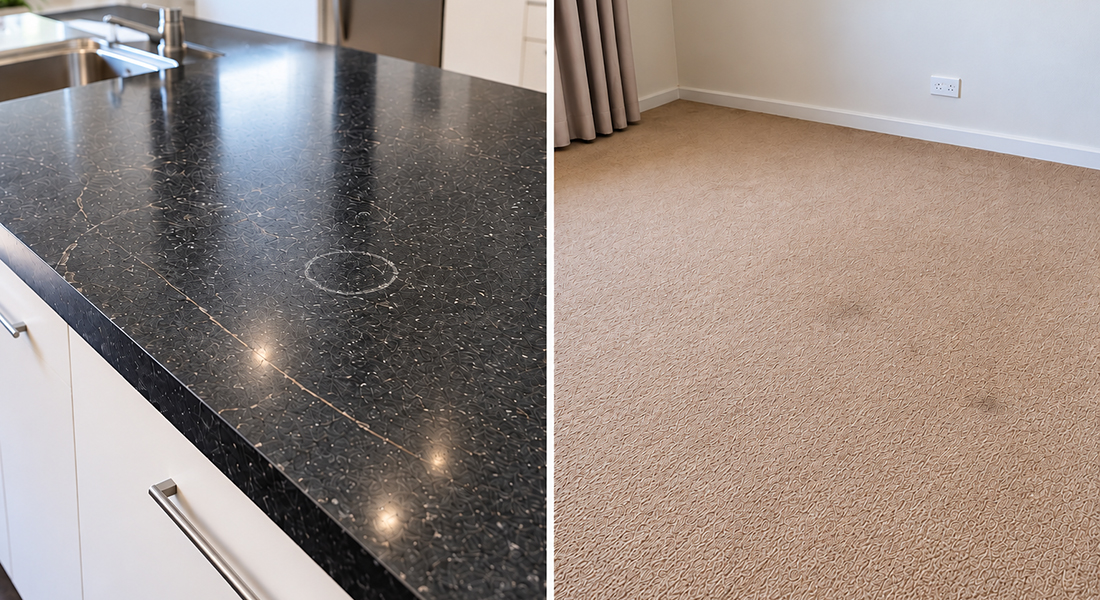
A tenant may damage a wall while moving furniture, stain the carpet or break a blind.
In many cases, the tenant will be responsible for repairing damage they caused. The important distinction is whether the issue is classed as damage or wear and tear.
Normal ageing, such as faded paint or carpet wearing down over time, is generally considered part of owning a rental property and not something the tenant should pay for. But if a tenant has tipped over a piece of furniture and it has resulted in a hole in the wall, it’s likely they will foot the bill.
Regular condition reports, photos and maintenance records can make this distinction much clearer.
What if a guest causes the damage?
Tenants can also be held responsible for damage caused by visitors they invite onto the property.
If repair costs are more than the rental bond, recovering the remaining amount may become more complicated. Depending on the circumstances and the policy, landlord insurance may provide some protection.
Useful records may include:
- Before and after photos
- Entry and exit condition reports
- Repair quotes or invoices
What happens if there is a fire?
A cooking accident, unattended candle or unsafe use of electrical equipment could result in significant repairs. Responsibility for covering costs will usually depend on how the fire started and the findings of insurers or investigators.
However, property owners do need to make sure required safety measures, including smoke alarms, are properly maintained and compliant with local laws.
Damage discovered after the tenant moves out
The end-of-lease inspection often reveals whether any damage has occurred during the tenancy.
This could include broken fixtures, pet damage, stained flooring or unauthorised alterations. These issues should be compared with the original condition report before deciding what action to take.
The bond may help cover some costs, while landlord insurance may assist with financial losses if the damage exceeds the bond.
Protecting your investment
Tenant damage is not always straightforward. Responsibility can depend on what happened, the tenancy agreement, the rules in your state and whether the issue is damage or normal wear and tear.
Four safeguards can make a big difference:
- Be clear on who is responsible for damage in the rental agreement
- Keep detailed condition reports and inspection records
- Invest in landlord insurance
- Have a great property manager who understands the rules and can help apply them correctly
Discover More Articles