Why regular maintenance matters more than ever for your investment property
Putting off maintenance might save a little money today, but it can become an expensive problem in the future.
Small issues have a habit of becoming bigger ones. A minor leak can lead to water damage or mould. An ageing air conditioner can fail in the middle of summer. Worn flooring, broken fittings and tired paintwork can also make a property less appealing when it is time to find a new tenant.
Regular maintenance protects your investment, helps you meet your responsibilities as an owner and keeps the home competitive in the rental market.
What needs regular attention
Every property is different, but some tasks that may be overdue at your property include:
- Upgrading locks, doors, windows and other security features
- Checking smoke alarms and required safety equipment
- Servicing heating and cooling systems
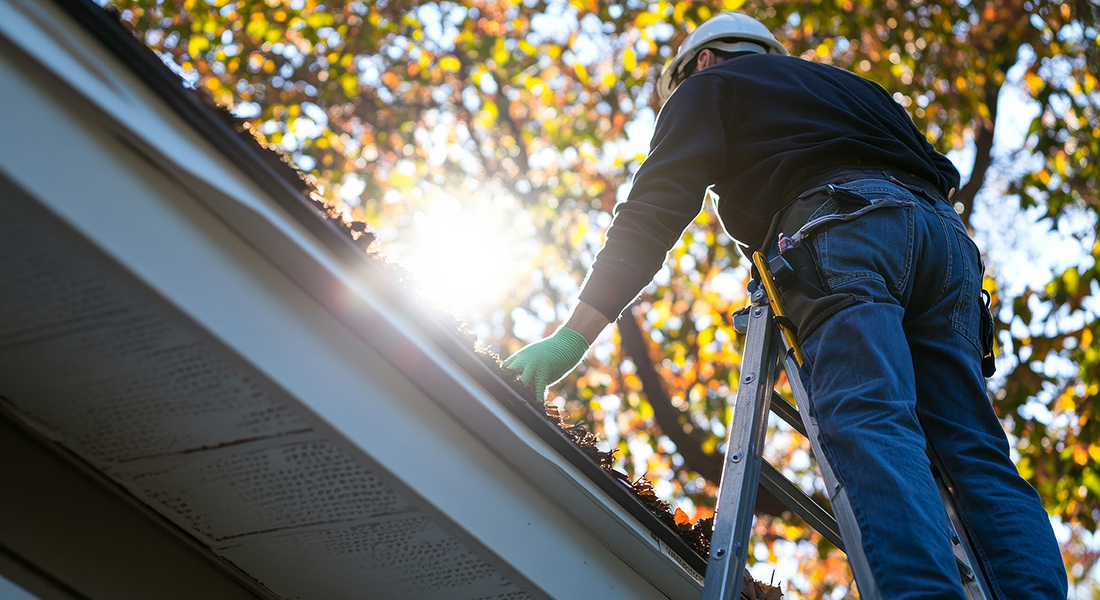
- Checking gutters and looking for signs of water leaks
- Upgrading flooring, paint, window coverings and cabinetry
- Replacing appliances
Do not wait until something breaks
Routine inspections give property owners an opportunity to spot deterioration early.
A professional will look beyond obvious damage and check for water stains, cracked seals, loose fixtures, mould, faulty appliances and outdoor maintenance issues. Acting early can often mean a straightforward repair instead of a much larger replacement bill later.
Minimum rental standards also vary between states and territories, so make sure your property continues to meet the requirements.
What about tax deductions?
There is an important distinction here.
The ATO advises that repairs and maintenance relating to wear or damage from renting the property may be deductible. However, renovations, improvements and replacing an entire asset can be treated differently for tax purposes.
Keep invoices and records, and speak with your accountant and property manager about how particular expenses should be claimed.
Look after the asset you already own
Even a low-maintenance investment property will need repairs, replacements and upgrades over time.
Keeping on top of them can help preserve the condition and value of your asset, improve the experience for your tenants and prevent manageable problems from becoming costly ones.
Discover More Articles